
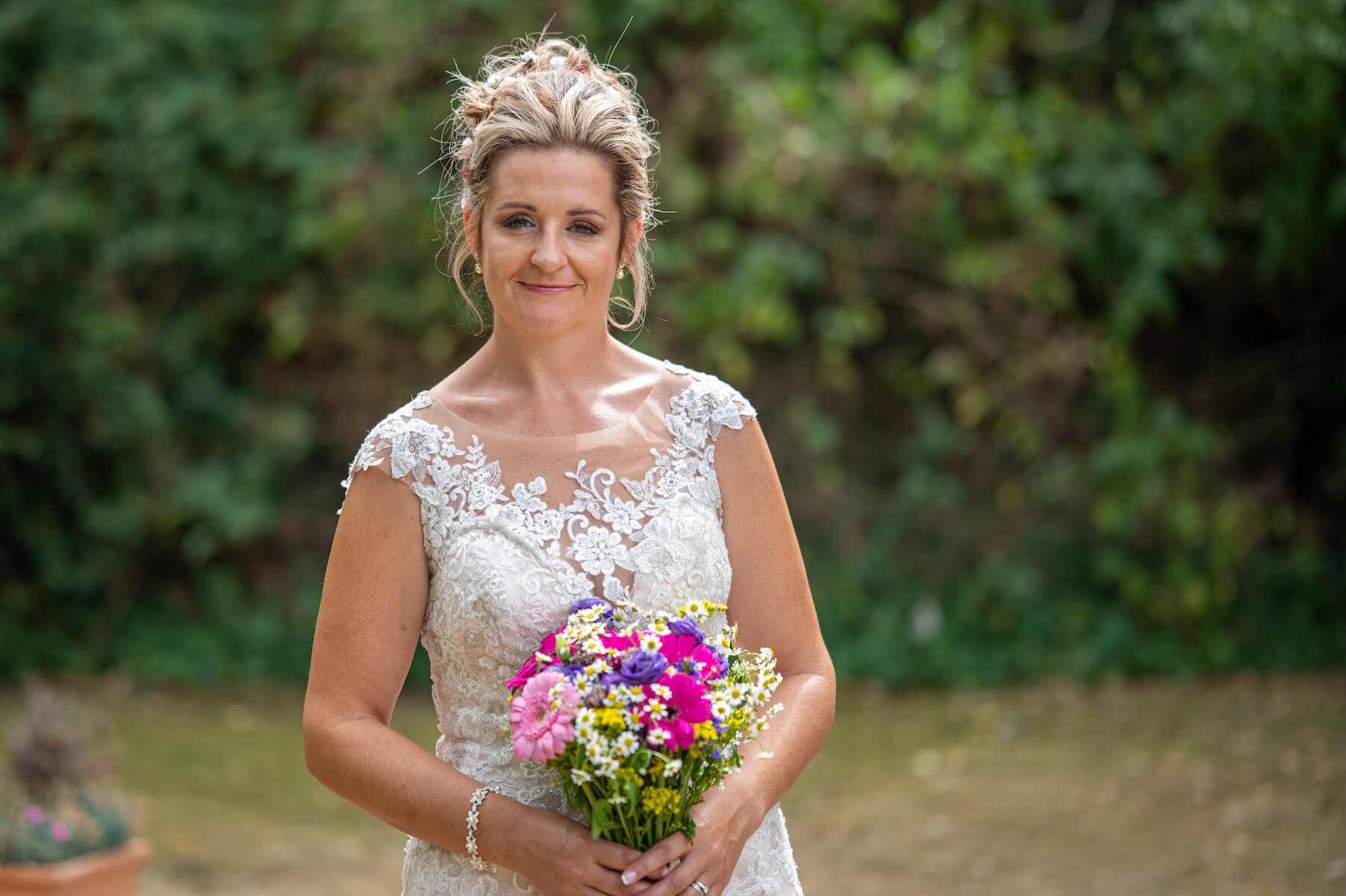
Best Time of Day for Outdoor Photos in Essex: A Golden Hour Guide
The Short Answer
For outdoor portraits, weddings and most people photography, the hour before sunset is the most forgiving light of the day. It’s soft, warm and low, so it flatters skin tones and doesn’t cast harsh shadows under eyes and noses. But “golden hour” isn’t the only good option, and for some shoots it isn’t even the best one. Overcast days, open shade at midday and the half-hour after sunset all have their place. What matters is understanding what the light is actually doing at different times, then working with whatever slot you’ve got.
Why the Time of Day Changes Everything
Light quality comes down to two things: angle and colour temperature. When the sun is high overhead, around midday in spring and summer, light falls almost straight down. That creates hard shadows under eyebrows, noses and chins, and it makes people squint. It’s the least flattering light for portraits, even though it’s the brightest and easiest to shoot in technically.
As the sun drops toward the horizon, the angle flattens out and the light has to travel through more atmosphere to reach you. That scatters the blue wavelengths and lets more of the warm, red-orange end of the spectrum through, which is why light near sunrise and sunset looks golden. The lower angle also means shadows fall sideways rather than straight down, which is far more flattering for faces and adds shape and depth to a scene instead of flattening it.
What Is Golden Hour, Really?
Golden hour is the period when the sun sits low in the sky, roughly from sunrise to about an hour after it, and again from about an hour before sunset to sunset itself. The exact length isn’t fixed. It depends on the time of year and how steeply the sun rises and sets, which in the UK varies a lot between midsummer and midwinter.
In June, the sun sets at a shallow angle in the south of England, so golden hour can stretch out to an hour or more. In December, the sun drops almost straight down at the end of the day, so the good light can be gone in 20 to 30 minutes. That’s the main reason a “golden hour shoot” booked for the same clock time in different months can look completely different.
Real Sunrise and Sunset Times for Essex
These are actual sun times for Essex (Chelmsford, representative of the wider Dunmow and Chelmsford area), so you can see how much the window moves across the year. Times are approximate and local (GMT in winter, BST in summer), and the “golden hour window” is a rough guide, not a fixed rule. It’s genuinely shorter in winter and longer in summer, and cloud cover changes everything anyway.
| Month | Sunrise | Morning golden hour (approx) | Sunset | Evening golden hour (approx) |
|---|---|---|---|---|
| January | 7:56am | 7:56–8:30am | 4:18pm | 3:45–4:18pm |
| April | 6:00am | 6:00–6:45am | 7:56pm | 7:10–7:56pm |
| June (solstice) | 4:37am | 4:37–5:45am | 9:22pm | 8:15–9:22pm |
| September | 6:31am | 6:31–7:15am | 7:15pm | 6:30–7:15pm |
| December | 7:56am | 7:56–8:25am | 3:50pm | 3:20–3:50pm |
The practical upshot: a 5pm winter booking is already close to sunset, but a 5pm summer booking still has four hours of harsh light ahead of it. If you want warm evening light for a summer shoot, you’re realistically looking at an 8pm start, not 5pm.
Golden Hour Isn’t Always the Right Choice
It’s the most popular time to book for a reason, but a few situations call for something else:
- Large group and sports team photos. A big group needs even light across everyone’s face, and long shadows from a low sun can put half the group in shade. Bright overcast days, or midday under a covered stand, often work better than golden hour for this.
- Wedding ceremonies and speeches. These happen when they happen. If your ceremony is at 1pm in July, no amount of planning moves that into golden hour. That’s what the couple portraits slot later in the day is for.
- Venues with limited golden hour access. Some wedding venues only free the couple up for photos in a fixed 20-minute window. If that window lands at 3pm, work with the shade and open sky instead of chasing light that isn’t available.
- Overcast days. Cloud acts like a giant softbox, spreading the light evenly and removing hard shadows altogether. It’s genuinely one of the best conditions for portraits, just without the golden colour. Many photographers, myself included, are often happier shooting portraits under thin cloud than in harsh direct sun.
Don’t Overlook Blue Hour
Blue hour is the 20 to 40 minutes after sunset (or before sunrise) when the sun is below the horizon but the sky still holds light. Instead of gold, you get a cool, even blue tone, and it’s particularly good for:
- City and building backdrops with lights already on
- Couples portraits where you want a moodier, more dramatic feel
- Any shoot near water, where the blue tone reflects nicely
It’s shorter and less forgiving than golden hour since the light drops fast, but it’s worth building into a wedding or portrait timeline if the schedule allows a few extra minutes after the sun goes down.
Booked at the “Wrong” Time? What Actually Helps
Most shoots don’t get to pick their time slot freely; a wedding ceremony, a sports fixture or a corporate event dictates when you’re there. If you’re stuck with midday sun or flat overcast light, a few things make a real difference:
- Find open shade. The shaded side of a building, under a large tree, or just turning so the sun is behind the subject rather than overhead removes most of the harsh shadow problem instantly.
- Turn your back to the sun. Position the subject so the sun lights them from behind or the side, and expose for their face rather than the background. This avoids the classic squinting-into-the-sun shot.
- Use a reflector or even a white shirt. Bouncing light back into shadowed areas of a face softens the contrast from harsh sun without needing any extra kit.
- Change the angle, not just the time. Shooting from slightly below eye level with the sun to one side often looks far better at midday than a straight-on shot in the same light.
- Lean into overcast weather rather than fighting it. If the sky is white and flat, that’s actually close to ideal portrait light. No need to wait for it to clear.
Want the Timing Handled For You?
Working out light, timing and backup plans for weather is part of planning any outdoor shoot properly, and it’s something I factor in before I ever turn up with a camera. Whether it’s a wedding, a family portrait session or corporate headshots outdoors, I’ll suggest a time that suits the season and the venue, not just whatever slot is easiest to book.
Based in Dunmow, covering Essex and the wider South East. Get in touch via the contact page or take a look at wedding photography and portrait photography for more on how each type of shoot is planned.